Solar PV: Real-World Home & Business Savings
See exactly how homeowners and commercial business owners in Northern Illinois eliminate high electric bills, stack federal and state incentives, and turn energy expenses into long-term equity.
Residential Scenario: Suburban Single-Family Home
Designed for standard suburban homes consuming roughly 10,000 kWh per year, facing high monthly utility bills that keep climbing every year.
Before & After Monthly Comparison:
- Before Solar Electric Bill: $150 / month ($1,800/yr)
- Incentives Applied: Federal ITC (30%) + Illinois Shines SRECs ~$13,200 total savings
- After Solar Electric Bill: ~$15 to $20 / month
Commercial Scenario: Local Business / Warehouse / Office
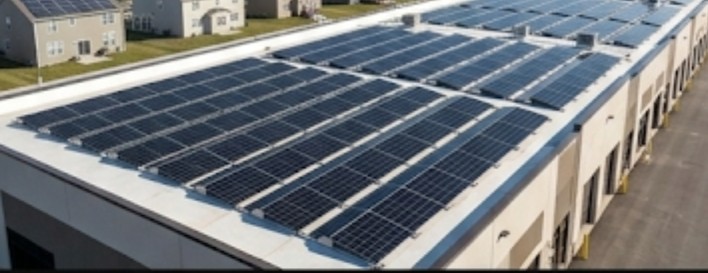
Tailored for small businesses, commercial spaces, and warehouses in ComEd territory spending around $2,500 a month ($30,000 annually) on commercial electricity.
Commercial Incentive Stack & Impact:
- Before Solar Electric Bill: $2,500 / month ($30,000/yr)
- Rebates, ITC & SRECs Combined: ~$169,000+ in credits/cash flow
- After Solar Electric Bill: $400 to $600 / month
Hardware Architecture & Equipment Basics
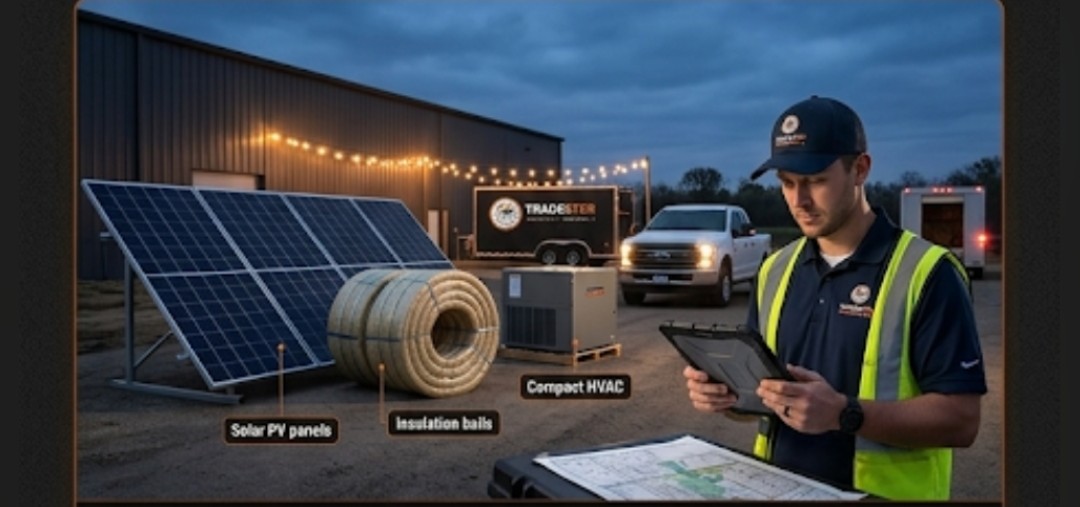
High-Efficiency Panels
We install tier-1 monocrystalline PERC and N-Type TOPCon panels that maximize energy capture even on cloudy Northern Illinois days, backed by 25-year performance warranties.
Smart Inverters & Storage
Choose between string inverters with optimizers or microinverters for panel-level monitoring. Pair with battery storage (BESS) for seamless backup protection during grid outages.
Frequently Asked Questions
How does Illinois Net Metering work with ComEd?
When your solar array produces excess electricity during midday, it flows back into the ComEd grid. ComEd gives you 1-to-1 credits on your bill for every kilowatt-hour exported, which you can use at night or on cloudy days to keep your bill near zero.
Do solar panels work during snowy Illinois winters?
Yes! Monocrystalline panels generate power from ambient daylight even in winter. Snow typically slides off angled dark panels quickly, and cold temperatures actually boost electrical efficiency.
What happens during a grid blackout?
Standard grid-tied solar systems shut down during outages for safety. However, if you add a Battery Energy Storage System (BESS), your home or business keeps running smoothly on backup battery power.
How do Illinois SRECs work?
Under state clean energy laws, utilities buy Solar Renewable Energy Certificates (SRECs) from system owners. For every megawatt-hour your system produces, you earn SRECs sold through the Illinois Shines program for substantial cash payouts.